Best Hotels in Austria is renowned for its alpine charm, imperial legacy, vibrant culture, and high-quality hospitality. From Vienna’s grand boulevards and palaces to the serene ski resorts of Tyrol and the spa towns of Salzburg, the country offers a wide spectrum of hotel experiences. What makes a hotel “the best” depends on what you value: history & elegance, mountain views & wellness, boutique design, fine dining, and service excellence. In this article you’ll find:
- Criteria for what defines a top hotel in Austria,
- Profiles of standout properties in major regions,
- Tips on choosing based on your travel style,
- Sample itinerary suggestions incorporating exceptional hotels,
- Things to watch out for (seasonality, access, cost).
Let’s explore.
What Makes a Best Hotels in Austria
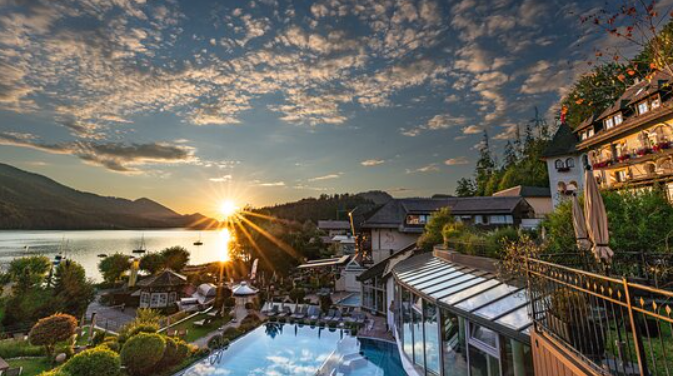
When evaluating “best hotels,” consider these key factors:
- Location & Setting.
Whether in a city-centre (Vienna, Salzburg), or tucked into alpine valleys (Tyrol, Carinthia), a hotel’s setting contributes heavily to experience. Proximity to ski lifts, historic districts, thermal spas, or mountain trails can elevate your stay. - Heritage & Architecture.
Austria has many historic hotels: former palaces, Habsburg-era grand hotels, buildings with baroque or belle époque architecture. Staying in one can feel like staying inside history. - Wellness, Spa & Alpine Amenities.
In alpine regions, spa, thermal pools, sauna & wellness centers are often essential. For ski seasons (winter) or summer hiking seasons, wellness plus mountain access is a big plus. - Design & Boutique Character.
Boutique style hotels or design-led renovations of old buildings (e.g. converted palaces, modern-classic interiors) offer personality beyond standard large hotels. - Dining & Culinary Excellence.
Many hotel-restaurants in Austria are excellent, sometimes rated by Michelin, or offering regional cuisine with seasonal produce. Food becomes part of the hotel experience. - Service & Recognition.
Reviews, awards (e.g. Michelin Guide hotels, Condé Nast Traveller, Tripadvisor, etc.), plus consistency of service (concierge, multilingual staff, guest satisfaction) are markers of “best.” - Seasonality & Value.
High season (winter ski months, summer alpine hiking months) sees premium prices. Shoulder seasons or spa-town visits can give better value. Also, boutique hotels may offer more personalized value than large chains. - Access & Practicality.
Ease of getting to your hotel: distance to airport, train station, ski lifts, or public transport. Also consider whether it suits your travel pace (e.g. multiple nights in one place vs moving every day).
Using these as guidelines will help you decide which hotels truly suit your travel style when touring Austria.
Regions & Standout Best Hotels in Austria
Below are some of the best hotels in different Austrian regions, with examples and what makes them special.
1. Vienna (Viennese Grand & Boutique Hotels)
Vienna is full of historic luxury hotels and newer boutique options. Staying here means you’re in the cultural heart of Austria, close to museums, opera houses, cafés & palaces.
Hotel Imperial, Vienna
- A 5-star luxury hotel located on the Ring (Kärntner Ring) in Vienna’s Innere Stadt.
- It features neo-Renaissance architecture, opulent interior décor (crystal chandeliers, marble, grand staircases), and a storied past tied to the Habsburg era.
- Ideal choice for travelers seeking classic luxury, refined décor, and superb location in central Vienna.
Hotel Sacher, Vienna
- Perhaps one of Vienna’s most iconic hotels, known for its history and connection with Viennese tradition (including the famous Sachertorte).
- Luxury standard, central location near the State Opera, historical prestige.
Boutique / Design Options in Vienna
- According to Condé Nast Traveller listings, some of the best hotels in Vienna include both classic properties and newer boutique-design hotels such as Hotel Zola, The Amauris, Imperial Riding School Hotel, Hotel Josefine, The Guest House, etc.
- Also, the Michelin Guide “Key Hotels Austria” mentions properties like Hotel Sans Souci, Palais Coburg, and others in Vienna.
These hotels appeal to travelers who want elegant design, proximity to opera / museums / classical music events, and high-end service.
2. Salzburg & Surroundings
Salzburg offers a mix of baroque charm, festival legacy (Mozart, festival theatres), and mountain / lake proximity.
Hotel Sacher Salzburg
- A grand luxury hotel located on the Salzach River, close to the Altstadt (Old Town).
- Offers historic ambiance and high-end hospitality, used often by visitors attending Salzburg Festival or wanting a refined base in Salzburg city.
Other notable Salzburg-region boutique or wellness hotels are found in nearby alpine valleys or spa towns; for example, many ski / wellness resorts in the broader Salzburg state offer exceptional amenities (though not all are singled out by name here).
3. The Austrian Alps / Tyrol (Mountain / Ski / Wellness Hotels)
If your interest is alpine scenery, skiing (winter), hiking (summer), spa & wellness, Tyrol and other alpine regions are where many of Austria’s most popular mountain hotels are found.
Some standout options include:
Nidum Casual Luxury Hotel (Mösern, Tyrol)
- Described as a luxury hotel in the Tyrolean Alps region.
- Modern-alpine style, with wellness & spa facilities, great views, and a peaceful setting above Seefeld.
Altstadthotel Weisses Kreuz (Innsbruck, Tyrol)
- Historic boutique hotel located in Innsbruck’s Old Town.
- Housed in old building (15th century), blending historic charm with modern guest comfort.
Seehotel Einwaller (Pertisau am Achensee, Tyrol)
- A boutique lake-front hotel at Lake Achensee, offering spa / panoramic wellness and direct lake access.
- Quiet setting with scenic views, ideal for rest & nature excursions.
Hotel Eder (Maria Alm, Salzburg Alps region)
- Family-run hotel with creative wellness offerings and alpine charm.
- Good choice for skiing in winter; hiking / summer activities in summer season.
Aqua Dome (Längenfeld, Tyrol)
- Well-known spa hotel with thermal baths in the Ötztal Valley.
- Offers large wellness complex with spa infrastructure; excellent if you want a hotel where the wellness & hot spring / thermal side is part of the draw.
Other Alpine Luxury Hotels
- Booking.com lists many luxury hotels across the Austrian Alps region: Innsbruck, Kitzbühel, Sölden, Seefeld, Kaprun, Zell am See, etc.
- These hotels range from ski-resort luxury to wellness retreats to mountain boutique hideaways.
4. Boutique / Lifestyle Hotels & Lesser-known Regions
Austria also offers charming boutique hotels, eco-oriented stays, and smaller family-run properties that may not have the “grand hotel” label but shine through character, design, or local immersion.
Der Daberer Bio Hotel
- Mentioned in a “Top 8 Austrian Hotels” list.
- Located in a region known for slow-food / regional cuisine and eco-friendly hospitality.
Hotel Forsthofgut
- Also in that same list of top properties.
- Known for being family-owned, architecturally pleasing, blending alpine character with upscale service.
Golden Hill Country Chalets & Suites (Styria)
- A chalet-style boutique resort in South Styria (Südsteiermark), set among vineyards and countryside.
- Focused on privacy, sustainability, and charming design, good for wine-region exploration and peaceful rural stays.
These kinds of hotels are ideal if you want something quieter, more sustainable, or more deeply connected to place (cuisine, surroundings, local hospitality culture), rather than just big-name luxury.
5. Other Notable Cities & Regions
- Kitzbühel is a famous ski-resort town and known for upscale ski hotels.
- Sölden is another major ski destination with high-end hotels; the village has been described as one of Austria’s most exclusive ski resorts.
- Graz (Styria), though less internationally talked about than Vienna or Salzburg, has emerging boutique / design-conscious hotel options that may appeal to the traveler wanting off-beat charm. (Though specific names weren’t all detailed above, it is often mentioned in boutique-hotel roundups.)
How to Choose the Right Hotel for Your Trip to Austria
When planning your trip and selecting where to stay, here are a few practical tips tailored to Austria:
- Decide Your Travel Focus
- Are you going for culture & city-life? Vienna or Salzburg city centre hotels will be ideal.
- Are you planning skiing or hiking? Alpine hotels (Tyrol, Salzburg Alps, Carinthia) with wellness offerings may be your best bet.
- Do you prefer boutique character or historic grandeur? Identify hotels known for design / local character or classic luxury respectively.
- Check Season & Weather
- Winter (December–March) is high ski season; many alpine hotels fill up fast, and rates are higher.
- Summer / late spring / early autumn seasons are excellent for hiking, spa-retreat stays, and generally less crowded hotels (especially in mountain regions).
- Shoulder seasons may offer better rates and still have good weather (e.g. May / June, September).
- Consider Access & Transportation
- If arriving by flight, check distance & ease to get to your hotel region (e.g. Vienna airport for city hotels; Innsbruck, Salzburg, or regional airports for alpine stays).
- If you plan to move between cities & mountains (e.g. Vienna → Innsbruck → a ski resort), look at car rental, or public transport + shuttle / hotel transfer options.
- Wellness / Spa Preferences
- If wellness is vital (thermal baths, spa pools, saunas), shortlist hotels known for spa infrastructure (e.g. Aqua Dome, Seehotel Einwaller, boutique hotels with wellness amenities).
- For alpine hotels, check whether spa / pool is indoor / outdoor, heated year-round, size & variety of treatments.
- Cuisine & Dining Importance
- For gastronomic experience, look for hotels that offer excellent on-site restaurants (possibly Michelin-rated, or strong local cuisine).
- Regional cuisine (Tyrolean / Alpine / Styrian / Vienna-style) can be part of the hotel-stay experience, rather than needing to eat out elsewhere.
- Read Recent Reviews & Awards
- Platforms like Tripadvisor (e.g. “THE 10 BEST Hotels in Austria”) can help rank current popular hotels.
- Check guide-books or recent articles (e.g. Condé Nast Traveller, MoonHoneyTravel for alpine hotels) for up-to-date ratings and guest feedback.
- Budget vs Luxury vs Boutique
- Decide whether you’re paying for full upscale luxury (5-star), or boutique / design-forward but smaller scale, or something mid-high range with excellent value.
- Boutique hotels (e.g. family-run or chalet style) often provide charm & local personality, sometimes with lower price per experience than large luxury chains.
- Plan for Cancellation & Flexibility
- Especially with mountain resorts, weather or travel timing changes may happen. It’s wise to review cancellation policies, whether spa & pool facilities are seasonal (some hotels may close sections in low season), and whether refunds or rescheduling fees apply.
Sample Itinerary Incorporating Best Hotels
To illustrate how you might structure a 7- to 10-day trip around top hotel stays in Austria, here are two example itineraries:
Itinerary A: Culture & Alpine Blend
| Day | Location | Hotel Suggestion |
| Day 1–2 | Vienna | Stay at Hotel Imperial or Hotel Sacher for classic luxury in city centre. |
| Day 3 | Transfer to Tyrol region (Innsbruck / Seefeld) | Stay at Altstadthotel Weisses Kreuz (Innsbruck Old Town) or a nearby alpine hotel |
| Day 4–5 | Alpine Wellness / Hiking Base | Stay at Nidum Casual Luxury Hotel (high above Seefeld), or Aqua Dome (Längenfeld) for spa / thermal experience |
| Day 6–7 | Salzburg / Surrounding Region | Stay in Salzburg city (e.g. Hotel Sacher Salzburg) or move to a boutique alpine-region hotel near Salzburg for hiking or relaxing |
| Day 8 | Return to Vienna or continue onwards (e.g. to Italy / Germany) | End with one night in Vienna to re-experience city charm before departure |
Itinerary B: Alpine Focus & Rural Boutique
| Day | Location | Hotel Suggestion |
| Day 1 | Fly into Munich / Vienna → transfer to Austrian countryside or wine-region | Stay at Golden Hill Country Chalets & Suites (Styria) for boutique rural charm |
| Day 2–3 | Move to Tyrol / Alps area | Stay at Seehotel Einwaller (Achensee region) or Hotel Eder near Maria Alm |
| Day 4–6 | Wellness / Spa & Hiking | Stay at Aqua Dome or similarly well-ranked alpine spa hotels to rest, hike, or ski depending on season |
| Day 7 | Finish in a city like Salzburg or Vienna | Stay one night in Salzburg or Vienna to enjoy culture, music, restaurants before departure |
These itineraries blend city, nature, wellness, and luxury hospitality so you experience different facets of Austria while staying in some of the best hotels.
Challenges & Caveats
Even the best hotels require planning. Here are some things to watch out for:
- Tourist / City Tax: Some municipalities add per-night visitor taxes not always included in base price.
- Seasonal Closures: In alpine or spa hotels, some facilities may close for refurbishment in shoulder seasons (e.g. May, early November).
- Accessibility: Historic buildings sometimes have stairs, narrow corridors; elevator access might be limited in old-town hotels.
- Weather-Related Impact: Alpine roads may be affected by snow or weather; ensure that transfers are reliable in winter.
- Advance Booking & Deposit Policies: Premium hotels may require early bookings and deposits, especially in peak season (ski season, summer festivals, concerts).
- Language & Service Preferences: Most luxury hotels speak English / multilingual staff, but for boutique or family-owned hotels you may want to check whether special requests (dietary, wellness, accessibility) are supported.
Conclusion
Austria offers a wide range of hotels that are world-class: from imperial luxury in Vienna, to alpine spa sanctuaries in Tyrol, to boutique countryside retreats in Styria and beyond. The best hotel for you depends on your itinerary, your preferred balance between culture, nature, wellness, and your level of comfort / design style.
If you’re seeking grand elegance and historical charm, Vienna’s classic hotels are hard to beat. If wellness and mountain scenery appeal to you, alpine spa hotels like those in Tyrol offer superb experience. For boutique atmosphere and regional authenticity, smaller country or chalet-style hotels deliver character. Best Hotels in Austria