Best Hotel In Italy is one of the world’s most beloved travel destinations. Its rich tapestry of history, culture, architecture, food & wine, art, and stunning natural landscapes makes it a magnet for travellers from around the globe.
From the canals of Venice to the hills of Tuscany, the shores of Amalfi to the alpine peaks of the Dolomites, Italy offers an extraordinary variety of places to stay—and hotels often become part of the travel experience itself.
Choosing a “best hotel” in Italy is more than just selecting a room — it’s about location, history, service, design, gastronomic offerings, and how well the property complements the destination.
In this article I will explore what makes a hotel truly outstanding in Italy, highlight a selection of iconic hotels in different regions, suggest criteria for choosing a hotel, and offer practical tips to help you find the best stay for your travel style.
Best Hotel In Italy
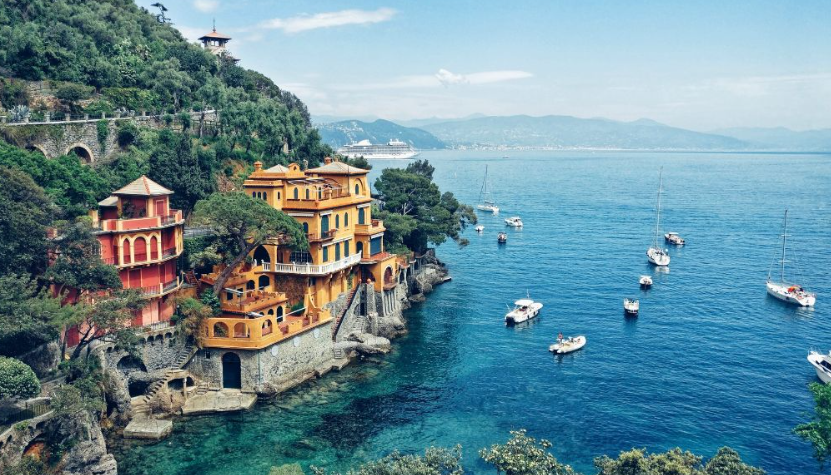
Before diving into specific properties, it’s helpful to understand the criteria that differentiate top-tier hotels in Italy. Some of the key factors include:
- Location & Setting
Where the hotel is situated makes a big difference. A hotel in the historic centre of Rome or Florence offers ease of access to major monuments. A lakeside hotel on Lake Como or Lake Garda offers scenic beauty. A hotel perched on the Amalfi Coast or in the Dolomites delivers a destination value by itself. - Heritage & Architecture
Many of Italy’s finest hotels are housed in former palazzos, villas, monasteries, castles, or historic mansions. The character of the building (period architecture, frescoes, gardens) often adds to the guest experience in a way that modern “generic luxury” cannot. - Design & Aesthetic
Interior design (furnishings, artwork, layout), ambiance, whether the hotel has been sensitively restored or renovated, and how it balances heritage with modern comfort. - Service, Reputation & Awards
Guest reviews, traveler-choice awards, recognitions (e.g. Condé Nast Traveller, Travel + Leisure, U.S. News, Michelin guide etc.) help identify properties that consistently deliver excellence. - Facilities & Amenities
Examples: gourmet restaurant(s), spa / wellness centre, swimming pool(s), views (lake / sea / mountain), concierge, room quality (suite options, views), transport access (private boat dock, helipad, proximity to airport / train station). - Authenticity & Local Experience
Whether the property reflects the culture / cuisine / environment of its region; whether it offers unique local touches (regional food, landscape gardens, seasonal cuisine, local art). - Value & Target Audience
Best hotel doesn’t always mean the most expensive. There are boutique hotels that deliver stunning experience without ultra-premium rates. Also, your priorities (romantic couple retreat, family-friendly, wellness / spa, business-oriented, adventure base) will influence which hotel is “best” for you. - Seasonality & Access
Italy’s climate varies (north / alpine cold winters, Mediterranean hot summers, shoulder seasons of spring / autumn). Prices and availability depend on season. Access by car, boat or public transport also matters (especially in remote or rural luxury retreats).
When these factors are put together well, you often get memorable stays that become a highlight of a trip rather than merely a place to sleep.
Best Hotel In Italy
Best Hotel In Italy, Below are examples of some of the standout hotels in different regions of Italy. Each offers something special — whether it’s heritage, glamor, design, or unique setting.
1. Lake Como / Lombardy Region
- Villa d’Este (Cernobbio, Lake Como)
One of the most famous luxury hotels in Italy, Villa d’Este boasts a long legacy of providing elegant retreats on the shores of Lake Como. It is known for its grandeur, gardens, and lakeside setting.
Notably, it has received recognition from Travel + Leisure and Condé Nast Traveller readers. - Mandarin Oriental, Lake Como
A more modern-luxury resort offering spa facilities and premium service on the lake. It has become highly regarded among travellers seeking refined comfort with panoramic views of the lake. - Passalacqua (Moltrasio, Lake Como)
A very boutique-style property on Lake Como that in 2023 was awarded “World’s Best Hotel” by The World’s 50 Best organization.
Its intimate scale, design details, and lakeside gardens make it ideal for travellers seeking exclusivity and style.
These properties combine scenic beauty of Lake Como (views over water framed by Alpine foothills), high standards of hospitality, and design-rich interiors.
2. Venice & Surroundings
- Hotel Cipriani (Belmond Hotel Cipriani), Giudecca, Venice
A classic luxury hotel on the island of Giudecca, Venice. It is often cited among the top luxury hotels in Venice.
Its history, service, gardens and location across the water from St. Mark’s Square give it a peaceful yet glamorous feel. - Splendid Venice
A hotel in Venice managed by Starhotels group, located between St Mark’s Square and Rialto. It retains Venetian charm, canal-front touches, and quality amenities.
These hotels allow guests to experience Venice in style — with access to canals, water taxis, and the old-city ambiance, combined with luxurious comfort.
3. Capri & Amalfi Coast
- JK Place Capri
A boutique-luxury hotel on the island of Capri. Elegant, artfully designed, and known for its distinctive character. - Grand Hotel Quisisana (Capri)
One of the historic grande dames of Capri, with more rooms and banquet/conference facilities; located in the old town of Capri. - Le Sirenuse (Amalfi Coast)
Although not always listed in every authoritative list above, it is widely regarded as one of the most romantic and celebrated hotels on the Amalfi coastline.
These properties combine sea-views, cliffside terraces, Mediterranean ambience, charm, and high-quality service — ideal for couples, honeymooners, or those seeking luxury by the sea.
4. Rome & Central Italy
- Many hotel guides (Travel + Leisure, U.S. News Travel, etc.) include luxury hotels in Rome among their top city hotels.
- Boutique palazzos close to historical sites (Pantheon, Piazza Navona, Vatican) often receive high praise. For example, recently a historic property near the Pantheon, La Minerva, was highlighted in news coverage for its overhaul and luxury offering.
While I haven’t detailed every hotel in Rome here, you can find many high-end options in the city’s historic core.
5. The Dolomites & Alpine Region
- For guests seeking mountain-scape luxury rather than sea or lakeside glamour, the Dolomites offer high-end spa-retreat hotels. One example is the “13 Best Hotels in the Dolomites” listing by Condé Nast Traveller.
- These hotels often feature alpine-style architecture or spa amenities, skiing access or hiking trails, and panoramic views of dramatic mountain landscapes.
6. Florence / Tuscany & Countryside Villas
- Florence and Tuscany are rich with boutique historic hotels, villas, and palazzo properties that blend art / architecture / wine & food. Guides like The Hotel Guru list many of the best properties in Florence (especially around the historic centre or in the Oltrarno district).
- Tuscany countryside retreats (wine estates offering guest rooms, spa-resorts among olive groves or vineyards) are very highly rated for guests looking for authenticity, tranquillity, and gastronomic experience.
How to Choose the Right Hotel for Your Trip
Given the many extraordinary options, here are some practical tips to help you pick the best hotel in Italy depending on your travel style:
- Decide Your Priority
- Are you looking for romance / luxury / pampering? Then boutique luxury hotel in Capri, Amalfi, Lake Como or Venice might be ideal.
- Are you focused on culture & sightseeing? Then choose a well-located hotel in Rome, Florence, or Venice historic centre.
- Do you prefer nature & relaxation? Alpine spa hotels in Dolomites or countryside villas in Tuscany might fit better.
- Check Season & Rates
- Summer (June-August) is high season, especially for coastal / lakeside hotels. Rates are premium, and bookings fill up early.
- Consider shoulder seasons (spring / late April-May, or early autumn / September-October) for better availability, fewer crowds, and pleasant weather.
- In alpine areas, winter (snow season) may open ski-season-oriented luxury resorts, but also brings cold weather.
- Access & Logistics
- How far is the hotel from the airport, train station, or your transport route? For example, if you’re planning a multi-city trip (Rome → Florence → Venice → Lake Como), ease of transfer matters.
- Some hotels offer private boat or ferry access (especially on lakes or islands), or water-taxi docks.
- Amenities & Services Important to You
- Spa & wellness facilities (massages, pools, saunas)
- Dining on site (fine dining restaurant, possibility of Michelin-starred chef)
- Views from room (lake / sea / garden / mountain)
- Concierge services, personalized experience (e.g. wine tastings, private tours, yacht / boat rentals, helicopter transfers)
- Reviews & Awards
- Use platforms such as Travel + Leisure World’s Best, U.S. News Travel rankings, TripAdvisor Travelers’ Choice, Condé Nast Traveller Readers’ Choice, and the MICHELIN Guide (for hotels as well as restaurants).
- Read guest photos and recent reviews to check if what you see in brochures matches real experience (e.g. room condition, service consistency).
- Balance Between Experience & Budget
- If you want the “ultimate” luxury, expect to pay more—but sometimes boutique or off-beat hotels (say in countryside Tuscany or smaller towns) can deliver similar pleasure at lower price.
- Decide whether you prefer fewer nights in ultra-luxury, or more nights in comfortable high-end boutique places.
- Book Early & Check Cancellation Policies
- Many top hotels have strict cancellation policies, or require deposits. Booking well in advance (especially during peak season) will give you more room option and possibly better rates.
Suggested Itinerary Examples Incorporating Top Hotels
To give you a sense of how you could build a trip around “best hotels”, here are two sample itineraries integrating high-end stays and travel flow.
Itinerary A: Romantic / Luxury Focus
- Fly into Milan or Bergamo → transfer to Lake Como → stay at Villa d’Este or Mandarin Oriental (Lake Como) for 2 nights
- Travel to Venice → stay at Hotel Cipriani or Splendid Venice for 2 nights
- Proceed to Rome → stay at a boutique historic palazzo-hotel near the Pantheon or Trastevere for 2 nights
- Finish with Amalfi Coast / Capri → stay at JK Place Capri or Grand Hotel Quisisana for 2 nights
**Itinerary B Rome → stay at a boutique historic palazzo-hotel near the Pantheon or Trastevere for 2 nights
- Finish with Amalfi Coast / Capri → stay at JK Place Capri or Grand Hotel Quisisana for 2 nights
Itinerary B: Culture & Countryside Blend
- Arrive in Florence / Tuscany region → stay in countryside villa-hotel in Tuscany (vineyard-estate boutique hotel) for 3 nights
- Move to Venice or Verona for 2 nights in a luxury boutique hotel
- Travel to the Dolomites alpine area → stay in a spa-luxury alpine hotel for 2 nights (enjoy hiking or snowy landscape depending on season)
- End in Rome for city-centre high-comfort stay for 2 nights
These itineraries combine iconic hotels with region-specific experiences.
Challenges, Caveats & Tips
Even the best hotels come with things to check carefully:
- City / Tourist Taxes: Many Italian cities charge local “tourist / city tax” per night & per person. Ensure you understand if that is included in your booking.
- Renovations & Maintenance: Historic properties may undergo renovation; always check recent reviews to verify whether any parts (pool, spa, façade, garden) are undergoing construction.
- Weather Risks: In coastal areas storms or seasonal closures may affect access or services (pool closed seasonally, outdoor terraces closed in autumn/winter).
- Accessibility: Some historic buildings may not have full accessibility (e.g. stairs rather than elevator, narrow corridors); check ahead if you have mobility needs.
- Travel Insurance & Cancellation: For high-end bookings, policies may penalize cancellation or rescheduling—especially during peak season or special events (festivals, weddings, conferences).
Conclusion
Italy offers a wealth of exceptional hotels that truly become part of the travel experience. The “best” hotel for you will depend on your destination (city, coast, mountain, countryside), your priorities (luxury, design, romance, wellness, gastronomy), and your budget / flexibility. Best Hotel In Italy
Several hotels stand out as icons — such as Villa d’Este on Lake Como, Hotel Cipriani in Venice, JK Place Capri on the island of Capri, and many boutique gems in Rome, Tuscany, or the Dolomites. But beyond the names, it’s the thoughtful combination of location, heritage, service, and atmosphere that creates lasting memories.