Best Hotels in Spain is one of Europe’s richest and most beloved travel destinations. With its array of historic cities, sun-drenched coastlines, dramatic mountains, and island escapes, Spain offers hotels that are as varied as its culture. The “best” hotels are often more than just places to stay—they reflect regional character, history, gastronomy, architecture, design, and unforgettable guest experiences. In this article, you’ll find:
- Criteria for what defines a top hotel in Spain
- Standout hotels by region
- Tips on choosing the right hotel for your style & season
- Sample itineraries incorporating top-tier hotels
- Practical considerations to keep in mind when booking
Let’s explore what makes a hotel exceptional in Spain, and some hotels that consistently get high praise.
What Makes a Best Hotels in Spain
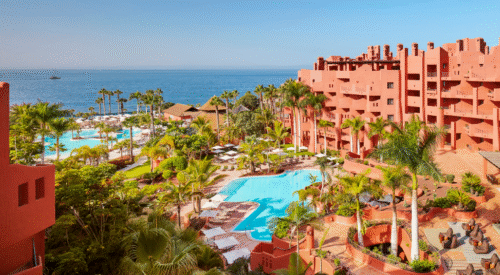
Before listing specific hotels, it helps to define what “best” means in the Spanish context. Some of the key criteria include:
- Location & Setting
Spain’s appeal lies in its variety: urban centres (Madrid, Barcelona, Seville), coastlines (Costa Brava, Costa del Sol), islands (Balearics, Canary Islands), countryside (Andalusia, Galicia, Rioja), and mountain / ski regions (Pyrenees, Sierra Nevada). A hotel’s proximity to major attractions, views (sea, city skyline, mountain), or ease of access (to airport, train station) matters a lot. - Heritage & Architecture
Many of Spain’s finest hotels are historic properties: palaces, converted manor houses (haciendas), castles, or buildings with Moorish or medieval heritage. Combining that with modern comfort and design is often a mark of excellence. - Design & Style
Whether authentic traditional décor (tiles, wood, stone, courtyards) or high-end contemporary design, attention to architectural character, aesthetic coherence, ambiance and comfort plays a big role. - Culinary Excellence
Spain is a gastronomic powerhouse. Hotels that host excellent restaurants (sometimes Michelin-rated), creative local cuisine, tapas offerings, wine lists, and gastronomic experiences (e.g. wine-tastings, olive-oil tours) tend to stand out. - Amenities & Service
Spa / wellness centres, pools (indoor / outdoor), rooftop terraces, concierge services, family-friendly or adult-only options, room quality (suites, views), and staff professionalism. Hotels that combine luxury with attentive and personalized service generally fare best in reviews and awards. - Reputation & Recognition
Awards, listings (Luxury Travel Expert, The Hotel Guru, Traveller’s Choice on TripAdvisor), guest reviews, guidebook ratings. Also consistency of quality over time—many properties noted among “best hotels in Spain” appear year after year. - Seasonality & Value
Spain has strong seasonal variation: summer in coastal or island areas; winter in city-oriented stays or mountain resorts; shoulder seasons (spring / autumn) are ideal for many regions. Prices, availability, and atmosphere vary accordingly, so the best hotel for you might depend on when you travel. - Authenticity & Locality
Hotels that reflect the region’s culture (Andalusian courtyards, Moorish details, local art, native materials, local traditions such as flamenco or wine culture) tend to deliver more memorable stays than generic luxury.
When you weigh these criteria together, you can narrow down which hotel is the best for your style rather than just “the most famous.”
Standout Hotels by Region
Here are some of the top hotels in Spain, grouped by region. Each offers something unique—heritage, design, cuisine, view, or experience.
1. Madrid & Central Spain
In the capital region, you’ll find elegant boutique-luxury hotels and grand historic properties that appeal to travellers looking for culture, art, cuisine, and city life.
- Four Seasons Hotel Madrid — A luxury property in the heart of Madrid, near Puerta del Sol / Gran Vía, offering modern comfort, refined service, spa facilities, and proximity to museums, plazas, and high-end shopping.
- Hotel Ritz / Ritz Collection / Palacio-type hotels — Historic hotels that blend elegance, tradition, and luxury. These typically feature classical décor, understated refinement, central location, and excellent dining.
- Boutique luxury places around Madrid outskirts or countryside estates — Some properties located in near-Madrid countryside (converted palacios / haciendas), offering peaceful ambiance with luxury amenities, often spa & gardens.
These kinds of hotels are ideal if your stay in Spain includes culture (art galleries, museums, theatres) combined with evening walks, fine dining, and urban convenience.
2. Barcelona & Catalonia
Barcelona is known for its dynamic design-led architecture, Catalan modernist heritage, and a vibrant food & arts scene. Hotels here often blend sleek contemporary interiors with strong local character.
- Mandarin Oriental, Barcelona — A highly regarded luxury hotel in central Barcelona, on Passeig de Gràcia. It offers refined style, excellent restaurant(s), rooftop terrace / pool, spa, and proximity to major Gaudí sites (Casa Batlló, La Pedrera), shopping, and culture.
- Hotel Arts Barcelona (a Ritz-Carlton affiliated property) — A striking property with modern architecture, sea views, high-end service, and strong appeal for upscale travellers who want city + sea.
- Boutique-luxury hotels in Gothic Quarter / Eixample districts — Smaller scale hotels offering design-forward interiors, local-art curated rooms, rooftop terraces with views over Barcelona’s skyline, and gourmet restaurants.
Catalonia also includes countryside or coastal boutique hotels (e.g. Costa Brava escapes) that combine sea-views, Mediterranean gardens, and regional cuisine.
3. Andalusia (Seville, Granada, Córdoba & Costa del Sol)
Andalusia brings Moorish legacy, warm climate, white-washed villages, tapas culture, flamenco, and a slower pace. Top hotels often lean heavily on local architecture, gardens / patios, courtyards, and serve as serene retreats after exploring heritage sites.
- Hotel Alfonso XIII, Seville — One of the most iconic grand hotels in Seville, with a storied history, proximity to the Alcazar, cathedral, and a luxurious style blending Moorish / Andalusian architecture with contemporary comfort.
- Luxury resorts along Costa del Sol — Villas or hotels with ocean-views, pools facing the Mediterranean, spa & wellness facilities, and easy access to coastal leisure & beaches.
- Boutique-style luxury properties inside heritage towns (Granada, Córdoba, Ronda) — Smaller-capacity hotels housed in converted palaces or historic mansions that provide ambiance, charm, and premium service.
Andalusia is ideal for travellers who want sun + heritage + slow-luxury retreat in between sightseeing.
4. Balearic Islands & Canary Islands
Spain’s islands—particularly Mallorca, Ibiza, Menorca, Tenerife, Gran Canaria—are home to some of its most luxurious resort-style and boutique hideaway hotels. These combine beach or sea-views, tropical or Mediterranean climate, spa & wellness amenities, scenic panoramas, and luxury design.
Examples include:
- Hotels on Mallorca that combine hillside terraces with views to sea, infinity-pools, gourmet dining, wellness spa (e.g. Belmond / boutique hillside hotels).
- Resorts in Ibiza offering luxury beachfront or clifftop ambience, designer pools, privacy, modern interiors mixed with island-charm.
- Canary-Islands luxury resorts (Tenerife, Lanzarote, etc.) combining volcanic-coast scenery, upscale amenities, and opportunity for both beach / wellness / hiking / outdoor sport.
These island hotels are especially appealing if you’re planning sun, beach, relaxation, with premium comfort and design, or want to combine island-life with culinary indulgence.
5. Northern Spain & the Wine / Countryside Regions
Beyond the more famous sun-and-beach or city locations, Northern Spain (Basque Country, Rioja, Galicia, Asturias) and countryside / wine regions (La Rioja, Navarra, Castilla y León) have boutique luxury hotels with character, often situated in vineyard terrain, mountain hillsides, or converted farm-houses.
- Luxury spa hotels or boutique estates in Rioja with vineyard-view terraces and gastronomic restaurants. For example, Hotel Marqués de Riscal in Rioja is often cited as an architectural-design hotel (designed by Frank Gehry) with high-end wine / gastronomic profile.
- Boutique hotels in Basque Country (e.g. near San Sebastián) that combine design-driven interiors, gourmet dining (often Michelin-star standard), sea or mountain views, and proximity to Basque culture & food.
- Rural luxury boutique hotels in Asturias or Galicia offering relaxation, calm country ambiance, hiking access, and local cuisine.
These hotels are ideal for travellers wishing to explore Spanish landscapes beyond beaches—food-wine culture, serene hills & countryside, and boutique-luxury stay.
6. Spanish Pyrenees & Mountain / Ski Resorts
Spain isn’t just about sea and sun. The Pyrenees and Sierra Nevada regions include hotels that cater to mountain scenery, hiking (summer) and ski / snow in winter, spa-facilities, and luxurious or boutique lodge-style accommodation.
- Mountain resorts or boutique spa hotels in Pyrenees accessible from Barcelona or French-Spain border towns.
- Hotels offering alpine-style luxury plus local Spanish mountain culture (rustic-chic interiors, spa facilities, mountain-access hiking / ski-lifts).
These are good choices if your trip combines nature & outdoors with premium stays.
How to Choose the Right Hotel for Your Spain Trip
Given so many excellent options, here are practical tips to help you find the right hotel in Spain:
- Define Your Travel Priorities & Region
- Are you drawn to culture / museums / city-life? Focus on Madrid, Barcelona or Seville / Granada.
- Do you prefer beach / relaxation? Islands (Mallorca / Ibiza), Costa del Sol / Costa Brava.
- Seeking countryside / wine-region peace? Rioja, Basque Country, Andalusian inland.
- Interested in mountain / ski or summer hiking? Pyrenees / Sierra Nevada.
- Match Season & Availability
- Summer (June-August) is high season in coastal or island hotels. Expect premium prices, early booking.
- Late spring or early autumn (May or September) often deliver ideal weather + lower rates & fewer crowds.
- Winter (December–February) may suit city stays or ski resorts; some coastal places may quiet down; avoid sweltering midsummer in inland cities by choosing shoulder seasons.
- Check Access & Transport Logistics
- For island stays: flights or ferries; for some remote boutique hotels: car rental might be needed.
- For mountain or rural hotels: consider how remote the location is, whether transfers from airport / train station are easy, or if you’ll drive.
- City-centre hotels are easy for sightseeing, public transport, dining out; rural ones offer peace but may require more planning.
- Amenities & Preferences
- Spa & wellness is increasingly expected among higher-end hotels—check whether the hotel has modern spa facilities, pool, possibly gym.
- Dining: whether the hotel offers fine-dining on-site; Michelin-or high-quality restaurant; whether breakfast is included; whether wine-pairing or local-food experiences are available.
- Room types & view: whether you can get balcony / terrace / sea / mountain view; whether the rooms are spacious, luxury-furnished, or boutique style; whether the hotel has suites or exclusive amenities.
- Read Reviews & Awards
- Use sites like TripAdvisor, The Hotel Guru, Luxury Travel Expert, or curated guides for Spain.
- Check recent guest photos & reviews (for noise levels, staff service, maintenance / renovation notes, value vs price).
- Also check whether the hotel appears in recent “best hotels in Spain” lists or has Michelin-award restaurants.
- Balance Budget & Experience
- While luxury hotels in Spain can be expensive, you can mix nights in ultra-luxury resorts / boutique hotels with nights in mid-luxury or charming boutique inns to spread cost while still enjoying premium experiences.
- Consider value-adds (free parking, breakfast included, spa access, room upgrade offers) when comparing rates.
- Booking Flexibility & Cancellation Terms
- Popular hotels (esp. on islands or beachfront resorts) may fill up months ahead in peak season; check cancellation policy.
- Boutique or small-capacity hotels may have stricter cancellation terms; if your itinerary might change, look for flexible-rate options.
- Cultural & Local Experience
- Choose hotels that give you more than just accommodation—some offer complimentary local tours, wine-tastings, art / architecture talks, or have partnerships with nearby cultural sites.
- Check whether the hotel supports sustainable or eco-friendly practices if that matters to you.
Sample Itineraries Featuring Best Hotels in Spain
To help you imagine how to build a trip around premium hotels, here are two example itineraries (7-9 nights) combining luxury / boutique stays in different regions of Spain:
Itinerary A: Cities, Cuisine & Coast (8 Nights)
| Day | Region | Suggested Hotel Stay |
| Day 1–2 | Madrid | Stay in a luxury or boutique-luxury hotel in central Madrid (e.g. a palace-style or historic property) |
| Day 3 | Transfer to Andalusia (Seville) | Stay in a heritage-luxury hotel near historic sites such as Seville Cathedral / Alcázar |
| Day 4–5 | Andalusia Coast / Málaga / Costa del Sol | Stay at a premium coastal resort with beach / spa access & fine dining amenities |
| Day 6–7 | Barcelona | Stay in upscale hotel in Barcelona city centre (e.g. design-luxury boutique hotel near Passeig de Gràcia or Gothic Quarter) |
| Day 8 | Fly to Majorca / Balearic Island | Stay in a luxury island resort for relaxation & view before departure |
Itinerary B: Wine & Countryside Focus (7 Nights)
| Day | Region | Suggested Hotel Stay |
| Day 1 | Arrive Madrid or Bilbao / Logroño | Stay one night in city luxury hotel |
| Day 2–3 | Rioja / Navarra / Basque Country | Stay in a boutique hotel in Rioja wine region (e.g. architectural-design property with vineyard views) |
| Day 4–5 | Northern Spain / Basque region (San Sebastián or countryside near coast) | Boutique luxury hotel combining gourmet cuisine & sea / mountain views |
| Day 6 | Transfer to coastal / island region (e.g. Balearics) | Stay in a luxury resort hotel near beach / sea for rest & relaxation |
| Day 7 | Return to departure city (Barcelona or Madrid) | Final night in boutique upscale hotel to wrap up your trip in style / comfort |
Itinerary C: Mountain & Island Blend (9 Nights)
| Day | Region | Suggested Hotel Stay |
| Day 1 | Arrive Barcelona | Luxury boutique hotel in city centre for arrival night |
| Day 2 | Transfer to Pyrenees region (or Sierra Nevada) | Stay in a spa-hotel / mountain lodge that offers scenic hikes or winter snow if season allows |
| Day 3–4 | Move to Andalusia or Basque Country countryside or wine region | Stay in an estate-style boutique hotel or vineyard retreat |
| Day 5–6 | Fly / ferry to Balearic Islands (Mallorca / Ibiza) | Stay at a premium island-resort hotel with full amenities (spa, beach access, fine dining) |
| Day 7–8 | Return to mainland & end in Madrid or Barcelona | Final nights in comfortable luxe boutique hotel in city before departure |
Challenges & Caveats to Watch Out For
Even the best hotels in Spain require careful planning. Here are some practical points to consider:
- Seasonal Fluctuation & Crowds
Popular coastal or island hotels may be very busy in summer / August. Rates may spike. Booking well ahead is often essential. - Local / Tourist Taxes & Charges
Some hotels include tourist tax or city-tourist charge (often per person / per night); check whether your quoted rate is inclusive or additional. - Renovations & Maintenance
Historic hotels may undergo refurbishment between seasons; check recent photos / guest reviews to ensure the facilities you expect (spa, pool, terrace) are operating. - Weather Considerations
Inland & southern Spain summers can be very hot; if travelling midsummer, check whether the hotel has good air-conditioning / cooling, shaded terraces, or comfortable amenities. Coastal or island hotels may have more pleasant breezes. - Access & Transport Delays
On islands (Balearics / Canary Islands), flight or ferry schedules may affect arrival timing. For rural boutique hotels or mountain retreats, road / route access & local transport should be checked. - Cancellation & Flexibility
Boutique hotels often have more rigid cancellation policies, especially for booked tours / restaurant packages. If your itinerary might change, consider flexible-rate options. - Cultural & Timing Norms
Spanish lifestyle tends toward later dining times, siesta-hours / season-timed amenities. Some hotel restaurants may open only for dinner late, or close midday; check meal timings if you have schedule constraints (tours / excursions). - Language & Local Norms
Large luxury hotels often have multilingual staff; boutique properties may lean more local staff with limited English; but generally hospitality in Spain is good; checking guest reviews helps anticipate any service-oriented preferences you have (dietary, special requests, accessibility).
Conclusion
Spain offers an extraordinary variety of hotel experiences—whether you prefer historic elegance in Madrid or Seville, design-luxury in Barcelona, beach-front resorts in the Balearic or Canary Islands, peaceful countryside retreats amid vineyards or mountains, or boutique-luxury stays in Northern Spain and rural regions. The “best hotel” for you depends on your priorities: be it gastronomy, design, culture, beach relaxation, or adventure & nature.
By choosing hotels that align with your travel season, region-focus, and style, you can elevate your trip from simply seeing Spain to experiencing it through comfort, ambiance, and curated service.